Senator Thom Tillis: The Departure Driven by Principle Over Partisan Rigidity
North Carolina Senator Thom Tillis recently announced his decision to step down from the Senate at the close of his term, citing a profound disillusionment with the current political climate in Washington. His departure signals more than just a personal choice; it highlights an escalating challenge for leaders who prioritize independent thinking, bipartisanship, and compromise in an increasingly polarized legislative landscape. Tillis's candor sheds light on the pressures faced by members of both parties, particularly those within the Republican fold, to adhere strictly to party lines, often at the expense of thoughtful governance.
His decision resonates with a growing concern that the space for nuanced political discourse is shrinking, replaced by an expectation of unwavering loyalty that stifles constructive dialogue. As Tillis himself articulated, independent thought is often cheered when it comes from the opposition but scorned, ostracized, and even censured when it originates from one's own side. This dynamic, he suggests, is making independent thinkers an "endangered species" in the nation's capital, prompting his retreat from what he termed "political theatre and partisan gridlock."
The Shifting Sands of Washington Politics
The political arena has undergone a significant transformation in recent years, characterized by an intensified demand for ideological conformity. For Republicans, this shift has often been framed as a choice: "get on board the Trump train or get out." This powerful message from former President Donald Trump created an environment where deviation from the prescribed party line could lead to severe political repercussions. Figures like former Rep. Liz Cheney famously fought this tide and ultimately lost their seats, while others, such as former Sen. Mitt Romney, chose not to seek re-election, acknowledging the difficulty of navigating such an environment.
Senator Thom Tillis, a seasoned Republican, found himself at the nexus of these pressures. While not always in direct opposition, his willingness to occasionally challenge the prevailing party narrative, or advocate for policies that required cross-party support, made him an anomaly. His departure underscores a critical trend: the shrinking middle ground in American politics and the escalating cost, both personal and professional, for those who dare to occupy it. This shift not only impacts individual careers but also the effectiveness of legislative bodies, as the very mechanisms of compromise and negotiation become suspect. The inability to bridge divides leads to legislative paralysis and public frustration, a cycle that Tillis explicitly stated he no longer wished to navigate for another six years.
Thom Tillis: A Career Forged in Independent Thought
Thom Tillis's journey to the
North Carolina Senator Thom Tillis: A Career of Independent Politics is a testament to resilience and a pragmatic approach to problem-solving. Born into a working-class family in Jacksonville, Florida, in 1960, his early life was marked by frequent moves and the necessity of hard work. Despite an honorable discharge from the Air Force due to a severe hand injury sustained in a car accident, Tillis persevered, working various jobs while attending night school to earn his bachelor's degree. This foundation in real-world experience, climbing the ranks at firms like PriceWaterhouse and IBM, likely instilled in him a practical, results-oriented mindset that would later define his political career.
His political engagement began at the local level in Cornelius, North Carolina, in 2002, advocating for community improvements like a bike trail. His subsequent rise from town commissioner to state General Assembly, where he ran unopposed multiple times, speaks volumes about his ability to connect with constituents and build consensus. This grassroots experience, focused on tangible outcomes rather than ideological purity, set the stage for his tenure in the U.S. Senate.
During his time in the
tillis sénat, Tillis demonstrated his independent streak on multiple occasions. Notably, he publicly stated his opposition to Kevin Warsh succeeding Jerome Powell as Federal Reserve chairman, a position that likely diverged from some within his own party. Perhaps his most significant demonstration of independence, however, was his occasional willingness to butt heads with President Trump. A key breaking point was over a controversial tax-and-spending package, which Tillis believed would add trillions to the national debt and lead to significant Medicaid cuts. This was not merely a political disagreement but a principled stand against a fiscal policy that he felt was irresponsible, illustrating a willingness to prioritize long-term economic health over immediate political alignment. These instances collectively paint a picture of a legislator more committed to what he perceived as good policy than to rigid party adherence.
The Cost of Conviction: Navigating Partisan Gridlock
Senator Tillis's decision to retire is a stark commentary on the current state of American politics. His direct quote – “In Washington over the last few years, it’s become increasingly evident that leaders who are willing to embrace bipartisanship, compromise, and demonstrate independent thinking are becoming an endangered species” – encapsulates the core of his disillusionment. He vividly described the paradox where independent thinking is celebrated from the opposing side but met with "scorn, ostracize, and even censure" when it originates from one's own party. This punitive environment creates a powerful disincentive for politicians to seek common ground or deviate from established party narratives, fostering an atmosphere of intractable gridlock.
The personal toll of "spending another six years navigating the political theatre and partisan gridlock in Washington" was a significant factor in his decision to prioritize family. This sentiment is not unique to Tillis; many capable legislators find themselves caught between their desire to serve effectively and the soul-crushing reality of a system that often rewards confrontation over collaboration.
Lessons from Tillis's Departure for Future Leaders
Tillis's retirement offers crucial lessons for aspiring politicians and the electorate alike. It highlights the importance of fostering a political culture where principled stands and a willingness to compromise are not liabilities but assets. For new leaders, the challenge lies in finding ways to uphold their convictions while still engaging in the necessary give-and-take of legislative work. This requires courage, a thick skin, and a genuine commitment to public service that transcends partisan identity.
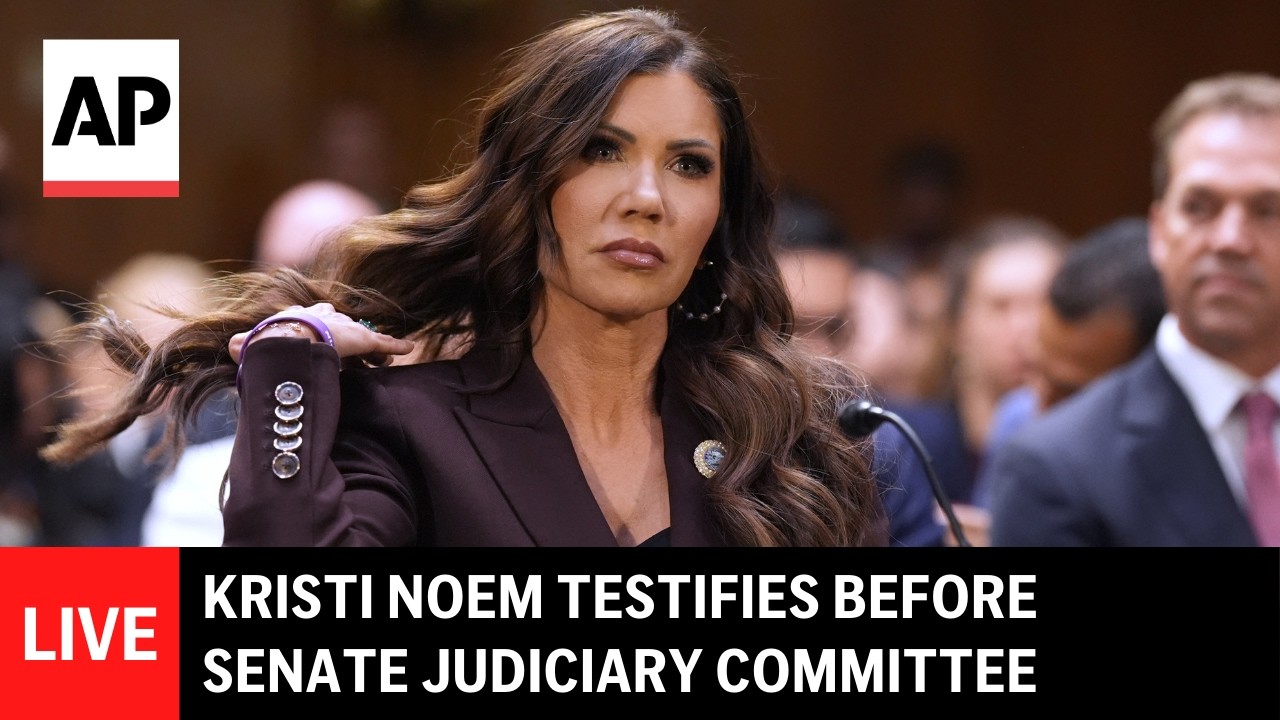
For voters, Tillis's narrative provides a valuable lens through which to evaluate candidates. Supporting leaders who demonstrate a track record of independent thought, a willingness to engage across the aisle, and a focus on practical solutions over ideological purity is essential for steering the nation away from perpetual gridlock. While prominent figures like South Dakota Governor Kristi Noem represent a different style of conservative politics, Tillis's journey reminds us that the Republican Party, and indeed American politics, has historically encompassed a spectrum of approaches, including those valuing compromise.
The Path Forward: Rekindling Bipartisanship
The departure of a senator like Thom Tillis, who openly champions independent thinking and compromise, should serve as a wake-up call. If the trend of punishing divergence continues, the legislative branch risks becoming an echo chamber, incapable of addressing the nation's complex challenges effectively. This trajectory threatens to further erode public trust in government and exacerbate societal divisions.
To counteract this, both politicians and citizens must actively work to rekindle the spirit of bipartisanship. This involves:
- Encouraging Dialogue: Creating platforms and opportunities for respectful debate and negotiation across party lines.
- Rewarding Compromise: Voters consciously supporting candidates who demonstrate a capacity for collaboration and principled negotiation.
- Media Responsibility: News outlets playing a constructive role by highlighting instances of successful bipartisanship and framing political discourse in a manner that encourages understanding rather than division.
- Focus on Policy: Shifting the focus from personality clashes and ideological battles to substantive policy debates that benefit the populace.
The broader implications of such departures on the Republican Party and the legislative process are explored further in
GOP Independent Thinking: Senator Tillis Exits Amidst Gridlock. Tillis’s decision underscores the urgent need for a renewed commitment to the foundational principles of representative democracy, where diverse viewpoints are heard, debated, and ultimately forged into solutions that serve the common good.
In conclusion, Senator Thom Tillis's decision to leave the Senate is more than a personal retirement; it's a powerful statement about the state of American politics. His principled stand for independent thinking and bipartisanship highlights a critical void in Washington. As the nation grapples with complex issues, the ability to transcend partisan lines and engage in meaningful compromise becomes not just desirable, but essential. His departure challenges us all to consider what kind of leadership we truly value and how we can foster an environment where courageous, independent voices can thrive, rather than become an "endangered species."