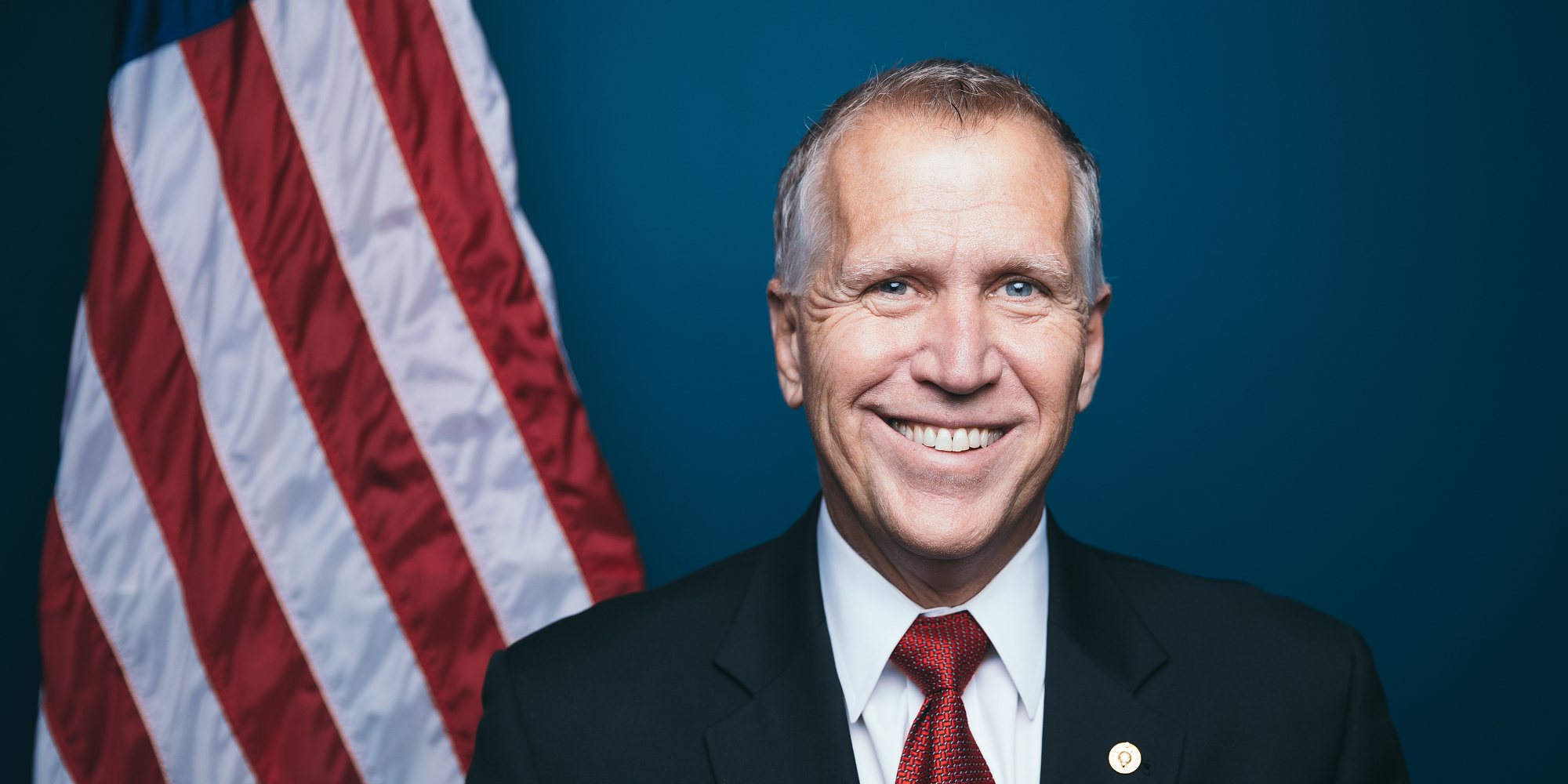
The Shifting Sands of the GOP: Why Senator Thom Tillis Chose an Early Exit
In a political era increasingly defined by unwavering partisan loyalty, the recent announcement by North Carolina Senator Thom Tillis to step down at the end of his term sends a powerful message about the current state of American governance. Tillis, a Republican with a history of independent thinking, revealed his decision to exit the U.S. Senate, citing a growing disillusionment with Washington's "political theatre and partisan gridlock." His departure highlights a significant challenge facing the Grand Old Party: how to balance core conservative principles with the demands of an increasingly polarized and personality-driven political landscape. This move isn't just about one senator; it's a window into the evolving dynamics within the Republican party and the broader American political system.
A Call for Independent Thinking in a Partisan Era
Senator Thom Tillis's decision to retire from the Senate is a stark commentary on the pressures faced by lawmakers who dare to stray from party lines. In his own words, Tillis lamented that "leaders who are willing to embrace bipartisanship, compromise, and demonstrate independent thinking are becoming an endangered species." This sentiment resonates deeply in a capital where political capital is often measured by unwavering allegiance rather than pragmatic problem-solving. While voters might applaud independent thought from the opposition, Tillis noted a pervasive tendency to "scorn, ostracize, and even censure" those who exhibit it within their own ranks.
This internal pressure cooker became particularly intense during the Trump administration, where the President's message to Republicans in Congress was clear: "Get on board the Trump train or get out." Figures like former Rep. Liz Cheney famously fought this tide and ultimately lost their seats, while others, such as former Sen. Mitt Romney, opted for retirement rather than continued conflict. Tillis's exit positions him in a similar category, choosing family time over "spending another six years navigating the political theatre." This choice underscores a profound frustration with the legislative process, where genuine debate and compromise often give way to performative politics and ideological purity tests.
The implications for the Republican party are significant. As the party continues to grapple with its identity post-Trump, the loss of voices like Tillis, who have demonstrated a willingness to cross the aisle, could further exacerbate internal divisions. It raises questions about the future of centrist or moderate Republicanism and whether there will be space for nuanced perspectives in an environment that increasingly demands conformity. For voters, Tillis's departure may signal a further hardening of partisan lines, making legislative breakthroughs even more challenging and potentially diminishing the public's trust in elected officials.
From Humble Beginnings to the Halls of Power: Tillis's Unique Path
Thom Tillis's journey to the U.S. Senate is a testament to perseverance and self-reliance, a narrative often celebrated in American politics but sometimes forgotten in the partisan fray. Born in Jacksonville, Florida, in 1960, Tillis grew up in a working-class family that moved frequently. He graduated high school in Nashville, Tennessee, where peers voted him "most likely to succeed" – a prophecy he would fulfill through sheer determination.
His path was not conventional. An honorable discharge from the Air Force due to a severe hand injury after a car accident led him down a different vocational route. He worked various jobs, demonstrating a strong work ethic, eventually rising through the ranks at PriceWaterhouse (and later IBM), all while earning his bachelor's degree through night classes at multiple institutions. This background in business and practical problem-solving would heavily influence his political career.
Tillis’s entry into politics began locally in Cornelius, North Carolina, in 2002, sparked by his advocacy for a bike trail. His subsequent election as town commissioner in 2003, and then to the state General Assembly in 2006, marked a steady ascent. He served as Speaker of the North Carolina House of Representatives before successfully running for the U.S. Senate. This progression from local community engagement to state leadership and finally to the national stage highlights a career built on understanding grassroots issues and navigating legislative bodies, suggesting a practical, results-oriented approach that may have increasingly clashed with the ideological battles of Washington.
Clashes with Trump and the Price of Independence
While Senator Tillis was generally a reliable Republican vote, his tenure was not without moments of significant divergence from then-President Donald Trump. These instances often brought him under fire from the party's more fervent base, illustrating the high cost of independent thinking within the modern GOP. One notable point of contention, as detailed in the reference context, was the "controversial tax-and-spending package," which Tillis opposed due to its potential to balloon the national debt and lead to substantial Medicaid cuts.
This particular disagreement wasn't merely a policy dispute; it represented a deeper philosophical rift. Tillis, with his background in accounting and consulting, likely approached fiscal policy from a position of pragmatic responsibility, clashing with the more populist, less fiscally conservative tendencies that gained prominence within the Trump-era Republican party. Such clashes were not isolated; Tillis also expressed skepticism about the President's declaration of a national emergency to fund a border wall and was at times critical of Trump's handling of the COVID-19 pandemic. Each instance chipped away at the expectation of absolute loyalty that defined the Trump administration's relationship with congressional Republicans.
The broader context of these clashes is crucial. In an environment where political figures are often expected to align themselves fully with their party's most vocal leaders, Tillis's willingness to "butt heads with Trump" placed him in a precarious position. The message to other Republicans was clear: dissent could come at a political price. This pressure cooker environment, where policy decisions often become litmus tests for loyalty, is precisely what Tillis articulated as a core reason for his decision to leave the U.S. Senate. It's a testament to the internal struggles within the Republican party as it navigates its identity and future direction, balancing traditional conservative tenets with the populist appeal of its recent past. Amidst this evolving political landscape, where figures like South Dakota Governor Kristi Noem have garnered national attention for their staunch conservative stances, the spectrum of Republican thought and action remains wide, yet the space for moderate, independent voices appears to be shrinking.
Navigating the Future: What Tillis's Exit Means for the GOP
Senator Tillis's retirement isn't merely the end of a political career; it's a significant indicator of the current health and future trajectory of the Republican party. His departure underscores a challenging environment for politicians who prioritize policy over partisan combat and seek common ground in an increasingly polarized nation. The loss of such a voice from the U.S. Senate means one less advocate for bipartisanship, potentially clearing the path for more ideologically rigid candidates.
Tips for Navigating the Modern Political Landscape:
- For Aspiring Politicians: Understand that the demand for ideological purity is high. Be prepared to define your core principles clearly and articulate how you will either adhere to party lines or forge an independent path with clear justification.
- For Voters: Support candidates who articulate a vision beyond simple partisan talking points. Look for a track record of legislative engagement and a willingness to work across the aisle, if that aligns with your values.
- For Political Parties: Reassess the value of diverse voices within your ranks. While unity is important, an echo chamber can stifle innovation and alienate broader segments of the electorate.
The trend of experienced lawmakers, particularly those inclined towards compromise, choosing to leave Capitol Hill, suggests a fundamental shift in political incentives. If independent thinking is indeed becoming an "endangered species," as Tillis suggests, then the legislative branch risks becoming less effective and more prone to stagnation. The question for the Republican party, and indeed for American democracy, is whether this trend will continue unchecked, leading to an even more fractured and confrontational political system, or if a new generation of leaders will emerge who can successfully champion independent thought without sacrificing their political careers.
Senator Thom Tillis's decision to exit the political stage is a poignant reflection of the deep-seated challenges plaguing American governance. His career, marked by a rise from humble beginnings and a willingness to occasionally defy party orthodoxy, highlights the increasing difficulty of independent thought in an era of intense partisan pressure. As the U.S. Senate moves forward without his voice, his departure serves as a critical warning and a call to action for those who believe in the power of compromise, bipartisanship, and genuine debate to solve the nation's most pressing problems. The legacy of his independent approach will undoubtedly fuel discussions about the future direction of the Republican party and the very nature of political leadership in a divided America.